Image: Wikipedia / Wikimedia Commons
Image: Wikipedia / Wikimedia Commons
Shanghai stands as China's most populous urban area and one of the world's most influential cities. This sprawling metropolis on the east coast blends cutting-edge modernity with deep cultural roots, creating a destination that fascinates visitors and drives ambitions for millions of residents. From its iconic skyline to its intricate neighborhoods and waterways, Shanghai offers an intoxicating mix of old and new that few cities can match.
Shanghai occupies a strategic position on China's shoreline, situated at the southern estuary of the Yangtze River where it meets the East China Sea. The city sits at an elevation of just 12 meters above sea level, giving it a flat topography that has historically made it an ideal location for commerce and maritime trade. The Huangpu River bisects the metropolitan area, dividing the city into distinct districts and serving as a vital waterway for both transportation and commerce.
The city's geography has fundamentally shaped its character. With ready access to the Yangtze River and the sea beyond, Shanghai developed naturally as a port city. Today, the Port of Shanghai operates as the world's busiest container port, handling massive volumes of international cargo daily. This geographic advantage continues to define Shanghai's role in global trade and economics. The Yangtze River itself remains visible and accessible throughout the city, reminding residents and visitors of the waterway that made Shanghai's fortune.
Shanghai's transformation from a fishing village into a global metropolis happened with remarkable speed. Before the 19th century, Shanghai was a modest town, but following the First Opium War and subsequent unequal treaties, the city opened to foreign trade and foreign settlement. This period saw an influx of merchants, traders, and adventurers from around the world, creating a uniquely cosmopolitan atmosphere that persisted through much of the 20th century.
The early 20th century marked Shanghai's golden age as an international city. Distinct foreign concessions created architectural and cultural enclaves, with different neighborhoods reflecting European, Japanese, and Chinese influences. This layering of cultures left architectural imprints visible today, with heritage buildings standing alongside contemporary skyscrapers. The city's recent history has witnessed its transformation into a modern financial and economic powerhouse, particularly following China's economic reforms of the 1980s and 1990s. Today, Shanghai balances respect for its historical areas with aggressive modernization.
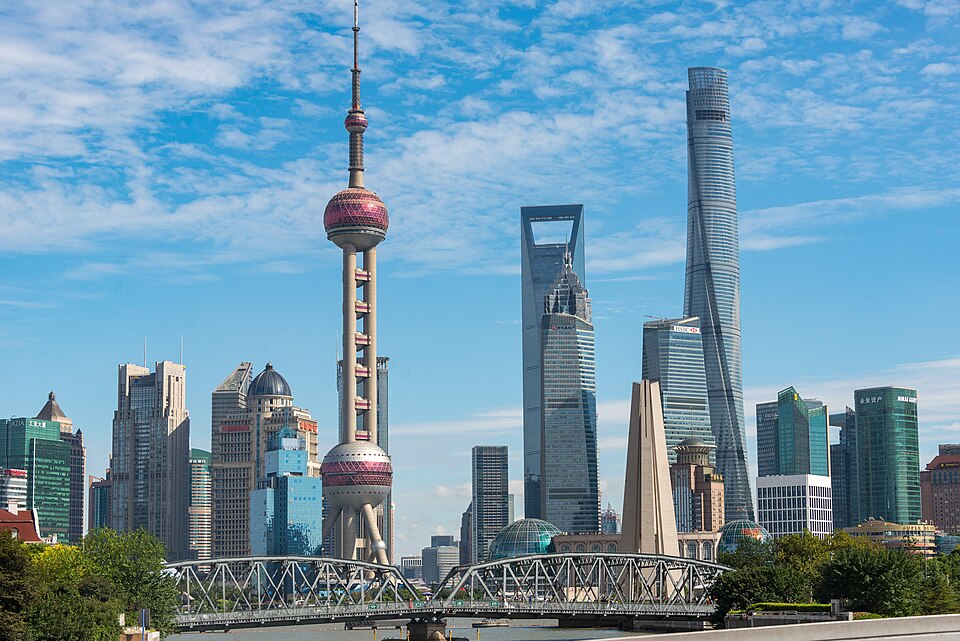
Shanghai's landscape tells multiple stories simultaneously. The famous Bund district showcases the city's colonial heritage through preserved European-style buildings that line the Huangpu River's west bank. Across the river, the Pudong district presents an entirely different face, dominated by soaring skyscrapers and futuristic architecture that has come to symbolize Shanghai's meteoric rise. The contrast between these two riverbanks offers a visual representation of the city's journey from colonial trading post to global financial center.
Beyond the Bund and Pudong, Shanghai's neighborhoods reveal different textures. Former French Concession areas retain tree-lined streets and low-rise buildings that feel almost European, creating pockets of calm within the urban sprawl. The Jing'an district offers both cultural institutions and shopping areas. Natural spaces like the Yu Garden and surrounding classical gardens provide respite, featuring traditional Chinese landscape design with pagodas, pavilions, and carefully composed views. The Shanghai Museum houses significant collections of Chinese art and cultural artifacts. For those interested in understanding how Shanghainese people actually live, wandering through residential neighborhoods, visiting local markets, and exploring along the riverside paths offers authentic glimpses into daily life.
The city's cultural scene is vibrant, with theaters hosting performances ranging from traditional Chinese opera to contemporary works, while art galleries and cultural centers showcase both established and emerging artists. The natural landscape immediately surrounding Shanghai includes rivers, wetlands, and water towns in nearby areas that offer alternatives to urban exploration.
Shanghai maintains excellent transportation connections. The city is served by two major airports handling international and domestic flights. High-speed rail connects Shanghai to cities throughout China and beyond, while conventional rail also links the city to surrounding regions. Once in Shanghai, the metro system provides extensive coverage across the municipality, with multiple lines serving both central areas and outlying districts. Buses, taxis, and increasingly modern ride-sharing services complement the rail network. The Huangpu River is also served by public ferry services, offering both practical transportation and scenic views.
Shanghai's economy extends far beyond its famous port. The city functions as a global center for finance, business, manufacturing, research, and technology. The Greater Shanghai metropolitan area generates tremendous economic output, with the gross metropolitan product reaching nearly 13 trillion RMB as of 2022. This economic dynamism draws people from across China and internationally, creating a diverse, ambitious population of approximately 24,874,500 within the city proper, though the urban area encompasses significantly more residents.
For people who live in Shanghai, the city represents opportunity, innovation, and connection to the world. The local culture blends traditional values with cosmopolitan influences. Shanghainese people maintain distinct customs and even a regional dialect, though Mandarin Chinese serves as the common language. The city's role as a financial and commercial hub means that many residents work in business, technology, and service sectors, while manufacturing, logistics, and research also employ significant portions of the population.
Shanghai operates in the Asia/Shanghai timezone. The city's location at coordinates 31.22222N, 121.45806E places it on China's central east coast. With an elevation of just 12 meters above sea level, the city has little topographic variation. The population of approximately 24,874,500 makes Shanghai one of the world's largest cities by population, though its sprawling metropolitan area is home to considerably more people. The climate brings hot, humid summers and mild winters, with significant rainfall during the monsoon season.
View larger map — © OpenStreetMap contributors